
1.
Introduction to Hermetic Feedthrough Technology
In many advanced electronic systems, maintaining a completely sealed environment is essential for reliability and performance. Sensitive components often operate in conditions where moisture, gases, dust, or pressure differences can cause serious damage. This is where a hermetic feedthrough becomes a critical component. A hermetic feedthrough allows electrical signals, power, or data to pass through a sealed barrier while maintaining a leak-tight seal. These components are widely used in industries that demand high reliability, such as aerospace, defense, medical technology, energy, and semiconductor manufacturing.
High-reliability electronic systems rely on precision engineering and robust sealing solutions. A well-designed hermetic feedthrough ensures that the internal environment of equipment remains protected while enabling uninterrupted electrical connectivity.
Why Hermetic Feedthroughs Are Critical in High-Reliability Systems
Electronic systems used in demanding environments must maintain stable operation even under extreme conditions. Exposure to humidity, vacuum environments, pressure changes, or chemical contaminants can compromise internal electronics. A hermetic feedthrough solves this challenge by creating a sealed pathway for electrical connections.
The primary advantage of a hermetic feedthrough is its ability to prevent gas or liquid leakage. This is achieved through specialized sealing materials and precision manufacturing techniques. The result is a durable barrier that protects critical electronic components while allowing signals and power to pass through safely.
In industries such as aerospace and defense, where equipment must perform flawlessly, the use of a reliable hermetic feedthrough significantly increases system lifespan and operational safety.
Applications of Hermetic Feedthrough Technology
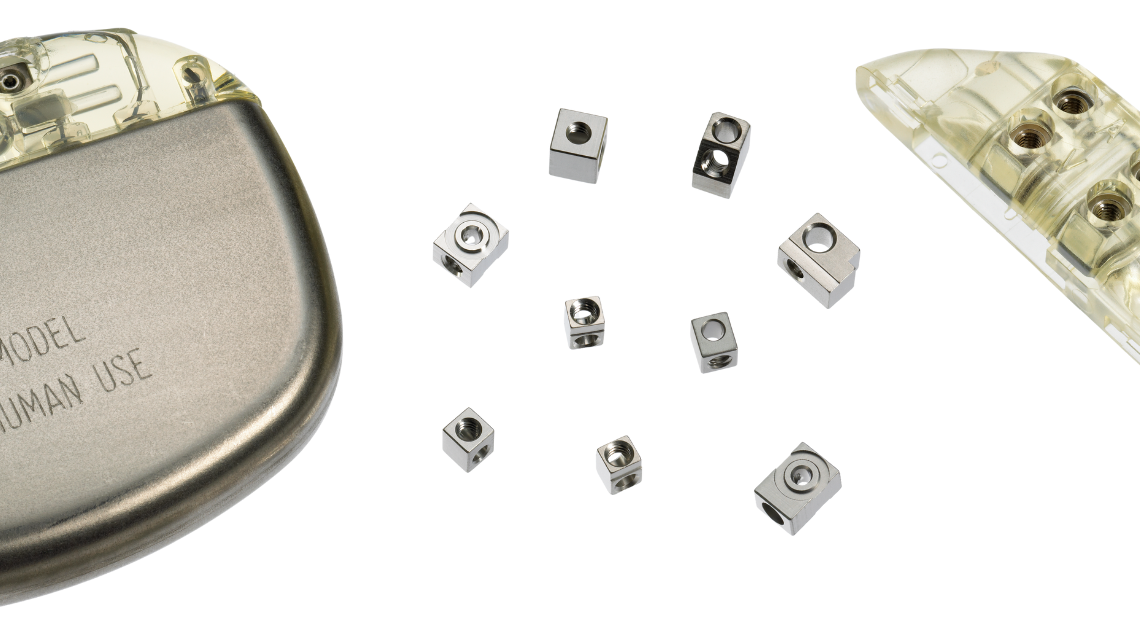
Hermetic feedthrough components are used across many advanced industries. In aerospace systems, they provide sealed electrical connections in satellites, avionics equipment, and space exploration hardware. In medical technology, hermetic feedthroughs protect implantable devices and diagnostic equipment from contamination and moisture.
Semiconductor manufacturing facilities also depend heavily on hermetic feedthrough systems. Vacuum chambers and processing equipment require leak-tight electrical connections to maintain precise environmental control during chip fabrication. Similarly, energy systems and industrial automation equipment rely on hermetic feedthrough technology to ensure stable performance in demanding environments.
By maintaining sealed electrical pathways, hermetic feedthroughs support the reliable operation of mission-critical electronic systems.
Engineering Considerations for Hermetic Feedthrough Design
Designing an effective hermetic feedthrough requires careful attention to materials, sealing methods, and electrical performance. Engineers must consider the operating temperature range, pressure conditions, voltage requirements, and environmental exposure.
Common materials used in hermetic feedthrough construction include ceramic, glass, and metal alloys. These materials are selected because they provide strong sealing properties and excellent electrical insulation. Precision bonding techniques ensure that the feedthrough remains completely leak-tight even under extreme conditions.
Manufacturers that specialize in hermetic sealing technology, such as PAVE Technology, focus on producing feedthrough solutions that meet strict industry standards. Their engineering expertise allows them to develop feedthrough designs capable of maintaining long-term reliability in highly demanding environments.
Advantages of High-Quality Hermetic Feedthrough Solutions
Using a high-quality hermetic feedthrough offers several advantages for electronic system designers. First, it ensures long-term protection against environmental contaminants, which can damage circuits and reduce system performance. Second, it improves safety by preventing leakage in systems operating under pressure or vacuum.
Another major benefit is improved system durability. A properly designed hermetic feedthrough can withstand mechanical stress, temperature fluctuations, and electrical loads without compromising its seal. This reliability is essential for mission-critical systems where failure is not an option.
Companies like PAVE Technology are known for providing hermetic feedthrough solutions that meet the stringent requirements of industries where reliability and precision are paramount.
The Future of Hermetic Feedthrough Technology
As electronic systems become more advanced, the demand for reliable sealing solutions continues to grow. Emerging technologies such as space exploration equipment, advanced medical devices, and high-performance computing systems all require robust hermetic feedthrough components.
Future developments will likely focus on smaller, more efficient feedthrough designs capable of supporting higher data speeds and power levels while maintaining perfect sealing performance. With continued innovation and engineering expertise, manufacturers like PAVE Technology will remain essential contributors to the advancement of hermetic feedthrough technology.
Conclusion
A hermetic feedthrough is a vital component for protecting sensitive electronic systems operating in challenging environments. By allowing electrical signals and power to pass through sealed barriers without compromising system integrity, these components ensure long-term reliability and safety.
Industries such as aerospace, medical technology, energy, and semiconductor manufacturing depend heavily on hermetic feedthrough solutions. With specialized engineering and high-precision manufacturing, companies like PAVE Technology continue to deliver advanced feedthrough technologies that support the performance and reliability of modern electronic systems.