
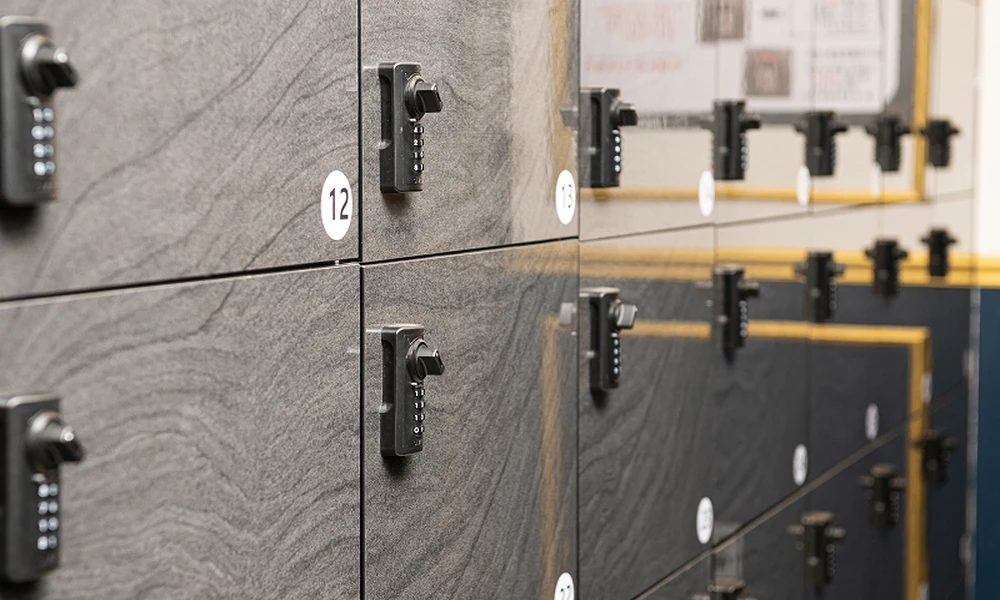
Image Recommendation: A tidy self storage corridor with a mix of small lockers and larger unit doors, a tenant checking a padlock on one.
There’s a common assumption that a storage locker is simply a smaller, cheaper version of a full storage unit, priced the same way just at a reduced scale. That’s not quite how it works. Lockers and units are actually sized, priced and marketed for different jobs, and treating them as interchangeable is how people end up either overpaying for space they don’t use or squeezing awkwardly into something too small. Knowing what a smart renter actually checks before signing anything makes the whole comparison far less confusing.
What Actually Moves the Storage Rental Price in Singapore
Before comparing any two quotes, it helps to know what’s actually driving storage rental price in Singapore in the first place. Unit size is the obvious factor, but climate control matters almost as much, since an air-conditioned unit costs more to run and is priced accordingly. Location plays a part too, with facilities nearer the city centre generally sitting higher than ones further out. Access features, such as extended hours, item collection or delivery, add to the base rate as well, and rental duration affects the final figure, since longer commitments often come with a discounted monthly rate that isn’t shown in the headline price.
None of this is unusual by industry standards, but it does explain why two facilities advertising a similar starting price can end up quite far apart once the specifics of your actual booking are factored in.
What a Smart Shopper Checks Before Signing
- Access needs: how often items will need retrieving, and whether hours outside the standard 9am to 6pm window actually matter to you
- Storage volume: matching the unit or locker to what you’re actually storing, rather than rounding up out of caution and paying for space that sits empty
- Security features: controlled access limiting entry to authorised users, visible surveillance, and a facility kept clean and dry enough to prevent damage
- The full price: asking for an all-in figure that includes deposit, insurance and any admin fee, rather than comparing bare monthly rates alone
Most of these checks take a single phone call or a short site visit, but skipping them is exactly how people end up locked into a facility that looked cheaper on paper and turned out otherwise once the extras were added.
When Locker Rentals Make More Sense Than a Full Unit
For smaller volumes, locker rentals typically run from around $50 to $120 a month, well below what even the smallest full unit costs. They suit personal documents and archived files, collectables and hobby equipment, seasonal gear, and smaller high-value items that need security without needing floor space. For anyone in a typical HDB flat or condo, freeing up a cupboard or a corner of a bedroom while keeping those items easily accessible is often worth more than the modest monthly cost.
Lockers also work well alongside a full unit rather than instead of it. A household mid-move might keep bulky furniture in a larger unit while storing valuables and documents separately in a locker closer to hand, splitting the storage need by how sensitive or frequently accessed each category is.
Costs That Rarely Appear in the Advertised Rate
Security deposits, storage insurance, a lock if one isn’t already provided, and GST are the usual suspects that turn a quoted price into a noticeably larger invoice. None of these are hidden in bad faith; they’re simply left out of the headline figure the way many recurring services are marketed, but asking about them upfront avoids an unpleasant surprise once the first bill arrives.
It’s also worth asking whether the deposit is refundable in full at the end of the lease, and under what conditions it might not be, since terms on this point vary noticeably between facilities. A short written breakdown of every recurring and one-off charge, requested before signing rather than after, is the single easiest way to avoid a mismatch between the quoted rate and the actual monthly debit.
Working out which format actually fits usually takes less time than people expect once the volume and access needs are laid out honestly rather than guessed at. A quick conversation with a facility about what’s being stored, how often, and for how long tends to settle the size and format question faster than comparing advertised prices side by side. Bringing a rough inventory list to that conversation, rather than describing items from memory, also tends to produce a more accurate quote on the first attempt.
For a quote that reflects your actual storage needs, Contact SelfStore and ask about current rates at either facility.