

Key Highlights
- The frequency of fogging depends heavily on the local mosquito population density and the proximity of Dengue clusters.
- Professional services assess the property’s specific landscape and environmental conditions to create a custom schedule.
- Fogging serves as an immediate knockdown measure but must be combined with source reduction for long-term efficacy.
- Seasonal weather patterns, such as increased rainfall, often necessitate more frequent treatments to manage rising larval numbers.
Introduction
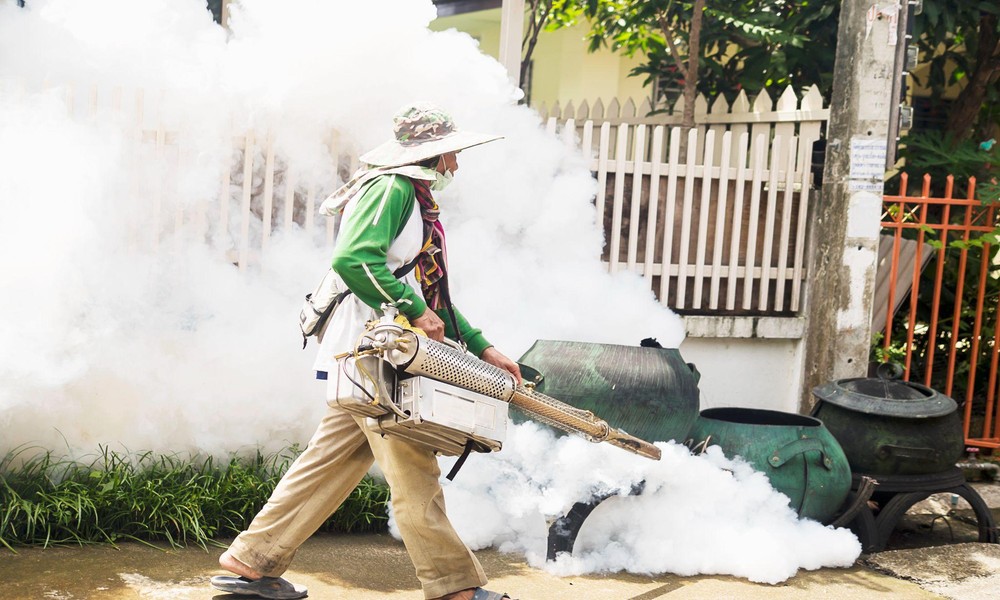
In the humid, tropical environment of Southeast Asia, mosquitoes are a significant public health concern. Many residents rely on mosquito fogging in Singapore as a primary defence against these flying vectors. However, there is confusion about how often this procedure should take place. Fogging is a highly effective method for reducing the adult mosquito population, but individuals should balance its frequency with other preventative measures. Determining the right schedule requires a professional understanding of insect biology and local environmental factors. By utilising expert guidance, property owners can ensure they are providing maximum protection for their families without unnecessary chemical exposure.
Assessing the Local Risk and Dengue Clusters
The most significant factor in determining fogging frequency is the current risk level in your specific neighbourhood. Authorities in Singapore regularly update maps showing active Dengue clusters, where the transmission rate is higher than average. If your property falls within or near a red or yellow zone, professional pest control services will likely recommend more frequent fogging sessions. During these high-risk periods, weekly treatments may be necessary to interrupt the transmission cycle of viruses. On the other hand, in areas with low activity, a fortnightly or monthly schedule might be sufficient to keep the population under control. Constant surveillance of local health alerts is essential for any effective vector management plan.
Impact of Weather and Environmental Conditions
Singapore’s weather plays a massive role in the life cycle of a mosquito. Periods of heavy rain followed by hot sunshine create the perfect conditions for rapid breeding. Stagnant water can collect in gutters, discarded containers, and even large leaves, leading to a surge in the population within days. During the monsoon season, it is often advisable to increase the frequency of mosquito fogging in Singapore. This helps to knock down the adult population before they have a chance to lay eggs in the newly formed puddles. Conversely, during exceptionally dry spells, the frequency can often be reduced, provided that stagnant water sources are still being monitored and treated with larvicide.
The Role of Professional Pest Control Services
Every property has unique characteristics that influence its susceptibility to mosquitoes. A large estate with dense foliage and decorative water features will require a different approach than a high-rise apartment. When you engage professional pest control services, the technicians conduct a thorough site audit before recommending a treatment plan. They look for hot spots where adult mosquitoes rest during the heat of the day, such as the undersides of leaves or dark corners of car parks. Based on these findings, they can tailor the fogging schedule to target the areas where it will have the greatest impact. Professional expertise ensures that the chemicals are applied at the correct dosage and at the right time of day for maximum effectiveness.
Balancing Fogging with Source Reduction
It is important to remember that fogging only targets adult mosquitoes. If the breeding sites are not addressed, new adults will emerge within days of a fogging session. A comprehensive management plan includes both the immediate knockdown of adults and the long-term elimination of larvae. Professionals often combine fogging with the application of sand granular Bti or oil films on water surfaces. Residents also play a vital role by performing the 5-step Mozzie Wipeout regularly. By integrating these habits with scheduled professional treatments, individuals can rely on heavy fogging effectively. This holistic approach is the most sustainable way to ensure a safe, mosquito-free environment for the long term.
Conclusion
Determining how often to perform fogging is not a one-size-fits-all decision. It requires a careful evaluation of the surrounding environment, current disease trends, and weather patterns. While fogging is an essential tool in the fight against mosquitoes, its success depends on the precision and timing provided by experts. By working with a reputable service provider, you can establish a routine that keeps your property safe while remaining environmentally conscious. Staying proactive and informed is the best way to protect your community from the risks associated with mosquitoes.
Contact EcoSpace Pest Management to protect your home with a customised vector management plan.
