

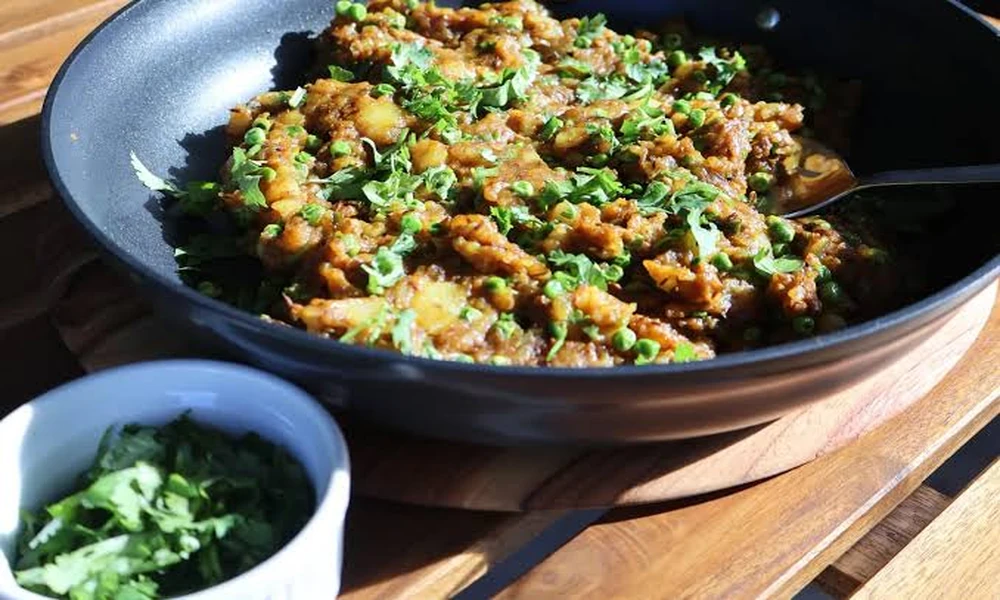
A product photograph can suggest an appealing meal without showing exactly what comes inside the dumpling. Read the filling description first, then identify any toppings or sides presented as serving ideas. Check the ingredients that matter to you and decide which pictured extras you actually want to add. This turns the image into inspiration while keeping the purchase clear.
Read the product description before interpreting the picture
Start with the product’s words: brand, variety, filling, and format. Those details identify what you are considering. A photograph can emphasize a browned surface, a sauce, or a colorful garnish, but those visual features may not explain the filling. The description gives you a firmer basis for deciding whether the product suits the meal.
Kickin’ Jalapeño contains potato, cheddar, and jalapeño in full-size vegetarian pierogies. The peppers are part of the filling. That matters if someone wants a peppery option, and it also matters if someone hopes to avoid peppers by leaving a pictured garnish off the plate.
Sizzlin’ Fried Onion offers another useful distinction: potato and onion are inside the full-size, plant-based dumpling. A serving photograph with additional onions would not make those toppings the sole source of onion flavor. The filling description answers what is already present before you add anything at home.
Use the format information with the same care. Mini and full-size describe the dumplings, while a close-up photograph can make either look large. Do not estimate package quantity, serving size, or dimensions from a styled plate. Use the actual package information when those details affect your purchase.
Keep the product identity visible when comparing images. A photograph of one variety should not be used to predict the filling of another simply because the dumplings look alike. Read each description rather than carrying assumptions across the range.
Identify toppings shown as serving ideas
Once the filling is clear, look at the rest of the image. A dip in a separate bowl, herbs scattered on top, or vegetables beside the dumplings may be suggestions for serving. Identify those elements as possible additions and check the package if you are uncertain about what is included.
A sauce coating the dumplings can be especially easy to confuse with part of the product. Ask whether the written description says the sauce is supplied or whether it appears only in the meal presentation. If the information does not establish inclusion, do not assume it will be in the bag.
Think about how a garnish affects your impression. Green herbs or bright vegetables can make a plate look fresh, while a creamy topping can suggest a richer meal. Those impressions concern the photographed arrangement. Your own plate may look and taste different if you choose other accompaniments.
Separate appearance from preparation method too. A browned photograph does not establish which appliances or techniques are approved for the exact product. The current package provides the cooking directions for the frozen, uncooked food. Use the image to consider presentation after the preparation requirements are understood.
It can help to describe the image in two sentences: what the dumpling contains, and what appears around it. For example, a potato-and-cheddar filling may be shown beside a dip and vegetables. Keeping those statements separate makes the shopping list clearer and prevents a serving suggestion from becoming an assumed ingredient.
You do not have to reproduce the photograph. A pictured garnish may be inconvenient, unwanted, or unnecessary for your dinner. Treat it as one possible arrangement and decide whether it contributes something you want to eat.
Check the ingredients that matter to you
When a specific ingredient affects the decision, use the current package rather than visual interpretation. A photograph cannot establish the absence of wheat, milk, meat, or another ingredient. The brand’s city pages state that all eight varieties contain wheat and that the cheese-containing varieties also contain milk, illustrating why the full information matters.
Read the filling plainly for guests. Fully Loaded Potato includes smoked pork bacon along with potato, cheddar, onion, butter, and sour cream. A guest avoiding pork needs that fact even if the serving picture makes the dish look like a general potato-and-cheese meal.
Cheeky Chicken Bites are mini chicken-and-onion dumplings. Their name and small format should not lead you to treat them as breaded chicken nuggets. Clear product identification helps with both ingredient expectations and the preparation instructions you follow.
Include any additions you make in the information you provide. A suitable filling can be served with a sauce that introduces something a guest avoids. Keep the labels or recipe details for the entire meal available when needed, not only the central product.
If the information remains unclear, pause the purchase or choose another food you can identify confidently. A visually appealing package does not resolve a necessary ingredient question. The useful choice is one you can explain accurately to the people eating it.
Plan what you would need to add yourself
Use Holy Perogy’s Raleigh page to review the actual filling descriptions and retailer possibilities, then make a separate list of any accompaniments you want. This keeps the product purchase distinct from the ingredients needed to create your own serving arrangement.
Choose additions by purpose. A vegetable side may provide a different texture, a dip may add a flavor you enjoy, and herbs may be an optional accent. If an item appears on the list only because it was in the photograph, consider whether it still belongs in your dinner.
Check what you already have before buying the extras. A familiar side or condiment may serve the same role as the pictured one. Substituting it can make the meal more practical without changing the filling you were interested in trying.
Account for the tools and vessels those additions require. Several small toppings can create more preparation and cleanup than the dumplings themselves. Keep the presentation aligned with the occasion and the space available at the table.
The photograph has done useful work when it helps you imagine a meal, and the description has done useful work when it tells you what you are buying. Let each provide its own information. Your finished plate can then be accurate to the product and personal to your kitchen.
