

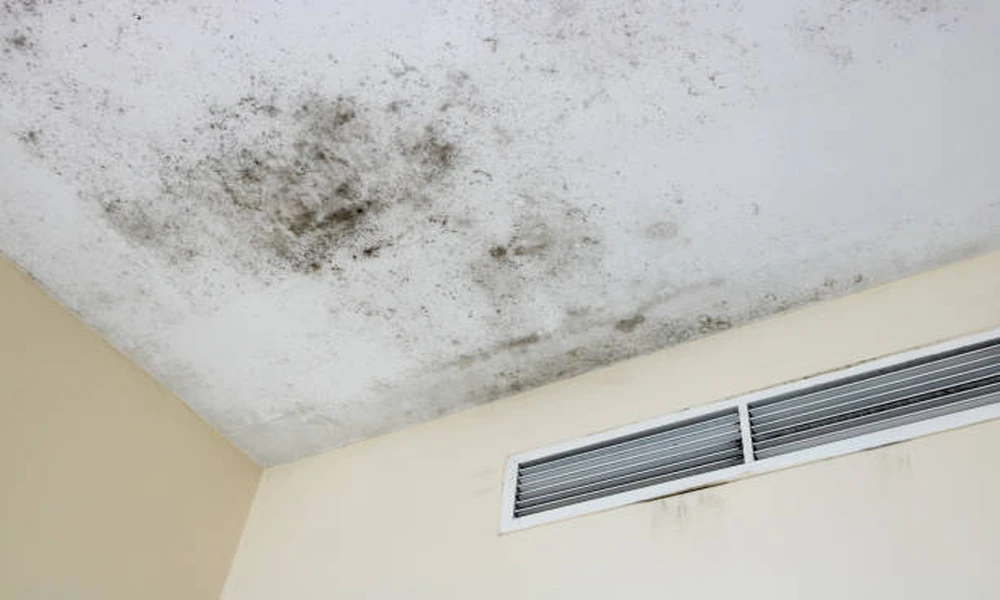
The Hidden Link Between HVAC Systems and Mold Growth
Heating, ventilation, and air conditioning systems are designed to circulate air throughout a building, but they can also unintentionally spread mold when conditions inside the system become damp. Mold thrives in environments where moisture, dust, and organic particles combine, and HVAC systems often provide all three. When condensation forms inside ducts, coils, or drain pans, it creates the ideal environment for mold colonies to develop and grow unnoticed. Once established, these spores can easily be pushed into every room through normal air circulation.
How Mold Travels Through Air Ducts
Air ducts act like highways for air movement, and unfortunately, they can also carry mold spores across the entire home or facility. When the system runs, air passes over contaminated components such as coils or damp duct lining, picking up spores and distributing them through vents. This makes mold a whole-building issue rather than a localized problem. Even small areas of contamination can escalate quickly because the HVAC system continuously recycles indoor air, spreading spores to clean surfaces where new growth can begin if moisture is present.
Common HVAC Conditions That Lead to Mold
Several internal issues can contribute to mold formation inside HVAC systems. Excess humidity is one of the most common factors, especially in environments where moisture levels are not properly controlled. Poor drainage from condensate lines or clogged drip pans can also lead to standing water inside the system. Dust buildup provides a food source for mold, while temperature fluctuations inside ductwork encourage condensation. Over time, these conditions combine to create a hidden breeding ground that is difficult to detect without inspection.
Signs Mold May Be Circulating Through Your HVAC System
Mold inside an HVAC system often reveals itself indirectly. A persistent musty odor when the system turns on is a common warning sign. Some people may also notice worsening allergy-like reactions indoors, such as irritation of the eyes, throat, or breathing discomfort. Visible mold near vents, discoloration on air registers, or unexplained humidity issues indoors can also point to contamination inside the system. Because the HVAC system distributes air throughout the space, symptoms often appear in multiple rooms at once rather than in a single isolated area.
Why Professional Mold Assessment Is Necessary
Once mold enters an HVAC system, it is difficult to fully eliminate without professional help. The hidden nature of ductwork and internal components makes thorough cleaning challenging, and improper handling can spread spores further. Professionals use specialized methods to identify the source of moisture, clean contaminated areas safely, and prevent regrowth. They also evaluate system performance to ensure that airflow, drainage, and humidity levels are properly balanced to reduce future risk.
When It’s Time to Call THE HAZMAT TEAM
If signs of recurring mold, persistent odors, or widespread indoor air issues are present, professional intervention becomes essential. Mold connected to HVAC systems is not just a surface problem-it is often a symptom of deeper moisture or system failures. THE HAZMAT TEAM can assess the situation, determine the extent of contamination, and implement safe remediation strategies to restore healthy indoor air conditions.
Authored by a professional at THE HAZMAT TEAM, this post offers trusted expertise. Choose an asbestos abatement contractor serving Orange County, California, including Westminster lead paint removal. THE HAZMAT TEAM ensures a smooth, safe removal process from start to finish.
