
Learning how to get rid of cockroaches effectively often has less to do with the products used and more to do with a handful of everyday changes that make a home genuinely less inviting to them in the first place. Adjusting a few specific habits and conditions can make ongoing control considerably easier to maintain.
Food Storage and Kitchen Habits
How food is stored and handled has a direct impact on how attractive a kitchen is to cockroaches.
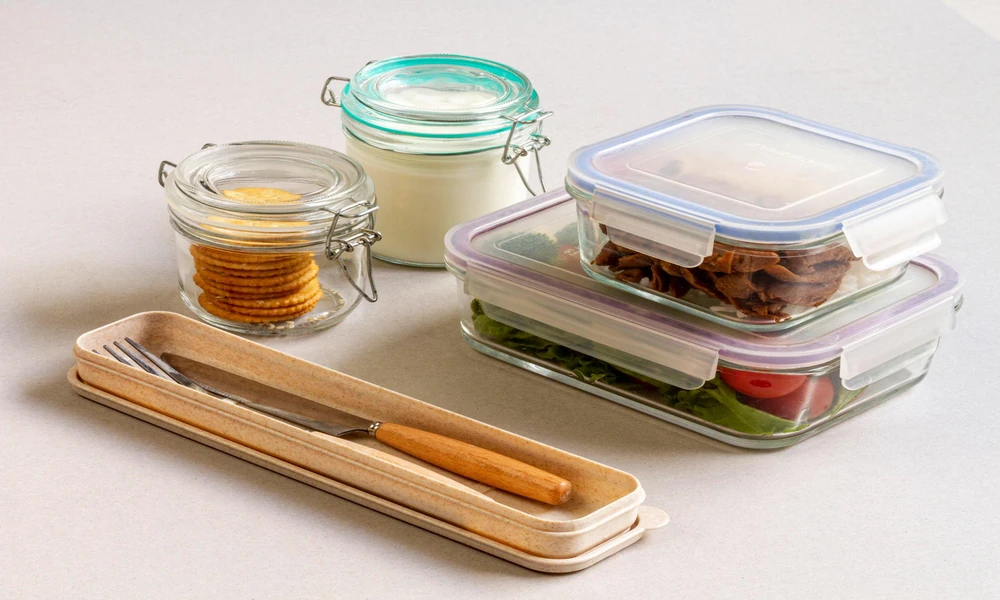
- Sealed containers instead of open bags or boxes remove easy access to a steady food source.
- Wiping down counters and stovetops after cooking prevents grease and crumbs from accumulating overnight.
- Pet food left out overnight is a commonly overlooked food source worth addressing directly.
Moisture and Drainage Points
Excess moisture throughout the home creates conditions that cockroaches are consistently drawn toward.
- Fixing leaking pipes or taps removes a reliable water source that draws activity toward that area.
- Drying sinks and drainage areas before bed reduces overnight moisture buildup.
- Improving ventilation in damp areas like bathrooms helps keep humidity levels less favourable overall.
Clutter and Storage Density
The amount and type of clutter in a home directly affects how many hiding spots are available.
- Reducing cardboard storage in favour of sealed plastic bins removes both shelter and a potential food source.
- Decluttering rarely used items prevents undisturbed spaces from building up over time.
- Organising storage areas so items can be moved and checked limits long-term hiding opportunities periodically.
Entry Points and Structural Gaps
Small structural gaps are often the actual reason cockroaches keep returning, even after cleaning.
- Sealing gaps around pipes, vents and baseboards closes off common entry points.
- Door sweeps and window seals prevent easy access from outside or shared spaces.
- Checking shared walls in apartment or condo units addresses entry points that individual cleaning can’t fully control.
Waste Disposal Routines
How and when waste is handled plays a bigger role in cockroach activity than many people realise.
- Taking out rubbish daily rather than letting it accumulate removes a major attractant.
- Using bins with tightly fitting lids limits access to food waste between collection days.
- Cleaning bins regularly prevents residue buildup that continues attracting activity even when empty.
The Role of Pest Management
Even with these changes in place, ongoing pest management in Singapore often plays an important role in addressing activity that household adjustments alone can’t fully resolve.
- Professional treatments can target areas that household changes don’t directly affect, such as wall cavities.
- Scheduled visits help catch early signs of returning activity before it becomes a larger issue.
- A combined approach, household changes plus professional support, tends to produce more consistent long-term results.
Changes That Are Easy to Overlook
A few less obvious changes are worth mentioning, since they’re often missed even by otherwise thorough households.
- Recycling bins stored indoors, which can quietly become a food source if not rinsed and emptied regularly.
- Reusable shopping bags left in the kitchen, which sometimes carry crumbs or residue from previous use.
- Shared laundry or storage areas in apartment buildings, where conditions are harder to control individually.
- Seasonal changes in humidity, which may call for adjusting ventilation habits at different times of year.
None of these changes needs to be dramatic on their own, but together they remove the food, water, shelter and entry points that cockroaches depend on. Making these adjustments part of a regular routine, rather than a one-time effort, tends to keep control genuinely manageable over the long run.
Ready to make your home a lot less inviting to cockroaches for good? Get in touch with Rentokil, and we’ll put together a tailored treatment plan for your space.