
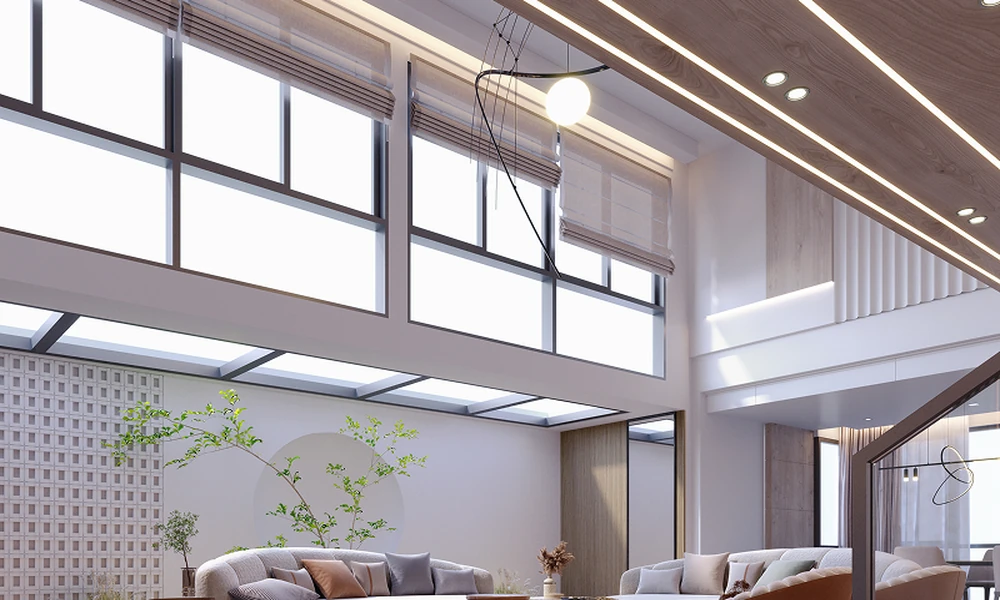
[Image Suggestion: A modern, sleek commercial office building interior showcasing concealed ceiling cassette air handling units seamlessly integrated into minimal architectural design, lit by soft natural sunlight.]
Indoor climate control is rarely given strategic thought until a critical system failure occurs. Most facility managers view heating, ventilation, and air conditioning simply as operational background noise-a necessary expense required to keep rooms cold. However, viewing commercial climate architecture as a mere commodity overlooks its profound impact on corporate productivity, equipment longevity, energy performance, and overall asset valuation.
Engineering for Purpose: Architectural Climate Design
A successful commercial aircon installation requires far more than matching thermal output to floor square footage. Commercial spaces are dynamic thermal environments influenced by occupancy density, server room heat loads, floor-to-ceiling glass exposure, and continuous air exchange requirements. Selecting off-the-shelf equipment without precise load profiling often results in short-cycling, excessive humidity levels, and premature compressor wear.
Custom climate architecture focuses on balanced air distribution, variable refrigerant flow zoning, and acoustic dampening. By tailoring duct design and airflow velocity to specific functional zones within a facility, organisations eliminate uncomfortable hot spots and dramatically reduce operational energy draw. Proper system selection during the initial installation phase creates a scalable infrastructure capable of adapting to future workplace reconfigurations without requiring complete overhauls.
Proactive Asset Preservation over Reactive Repair
Deploying sophisticated climate machinery without a structured lifecycle strategy is a recipe for operational disruption. A comprehensive aircon maintenance contract acts as an operational insurance policy for physical infrastructure. Rather than responding to sudden breakdowns during peak business hours, structured preventative maintenance systematically identifies component degradation before it manifests as catastrophic equipment failure.
Regular technical inspections cover refrigerant charge optimisation, coil sanitisation, electrical contact evaluation, and condensate drainage clearing. Over time, subtle issues like micro-leaks or fan imbalance force compressors to work harder, consuming significantly more power to achieve the same cooling output. Scheduled service preserves system efficiency, ensures compliance with environmental standards, and extends the operational lifespan of major equipment by several years.
The Financial Logic of Energy Stewardship
Modern enterprises are under increasing pressure to reduce their carbon footprint while managing rising energy costs. An efficient commercial aircon installation is no longer just about temperature; it is a critical component of a facility’s energy strategy. By integrating advanced variable speed drives and smart sensors, businesses can significantly reduce their baseload power consumption. When infrastructure is tuned for peak thermodynamic efficiency, the return on investment transcends immediate savings, contributing directly to broader corporate sustainability goals and reducing the long-term total cost of ownership.
The Invisible Driver of Workplace Productivity
Beyond the hardware, the true measure of a climate system is its impact on the occupants. Research consistently demonstrates that thermal comfort is inextricably linked to cognitive performance, morale, and productivity. When a workplace suffers from fluctuating temperatures or poor air quality, employees experience increased fatigue and reduced focus. Maintaining a consistent environment requires vigilance; a robust aircon maintenance contract ensures that the climate remains invisible and supportive, rather than becoming a distraction that disrupts the flow of daily business operations. It effectively transforms the office from a static space into a high-performance environment where people can thrive.
Comparing Management Approaches
| Feature / Dimension | Ad-Hoc / Reactive Model | Structured Contract Model |
|---|---|---|
| Operational Costing | Unpredictable budget spikes during breakdowns | Predictable, scheduled annual expenditure |
| System Efficiency | Gradual decline leading to elevated power bills | Consistently optimised thermodynamic performance |
| Response Priority | Standard queue position during peak emergency calls | Guaranteed response windows and priority scheduling |
Frequently Asked Questions
How frequently should commercial cooling infrastructure be professionally serviced?
Most commercial environments require quarterly servicing to maintain optimal air quality and mechanical efficiency. High-load facilities, such as data centres or healthcare premises, often require monthly evaluations.
What are the primary indicators that a system requires replacement rather than ongoing maintenance?
Frequent component failures, rising energy costs despite regular service, and the use of obsolete refrigerants are clear signs that replacing the system will offer better long-term return on investment.
Conclusion
Viewing climate control as a strategic operational asset transforms facility management from a constant battle against emergency failures into a predictable, optimised baseline. By investing in tailored climate architecture and committing to structured preventative care, forward-thinking organisations secure long-term energy savings, extend asset value, and create optimal working environments.
Ready to elevate your facility’s climate infrastructure? Contact Cool Channels Engineering for tailored commercial solutions and dedicated maintenance partnerships designed for your enterprise.