
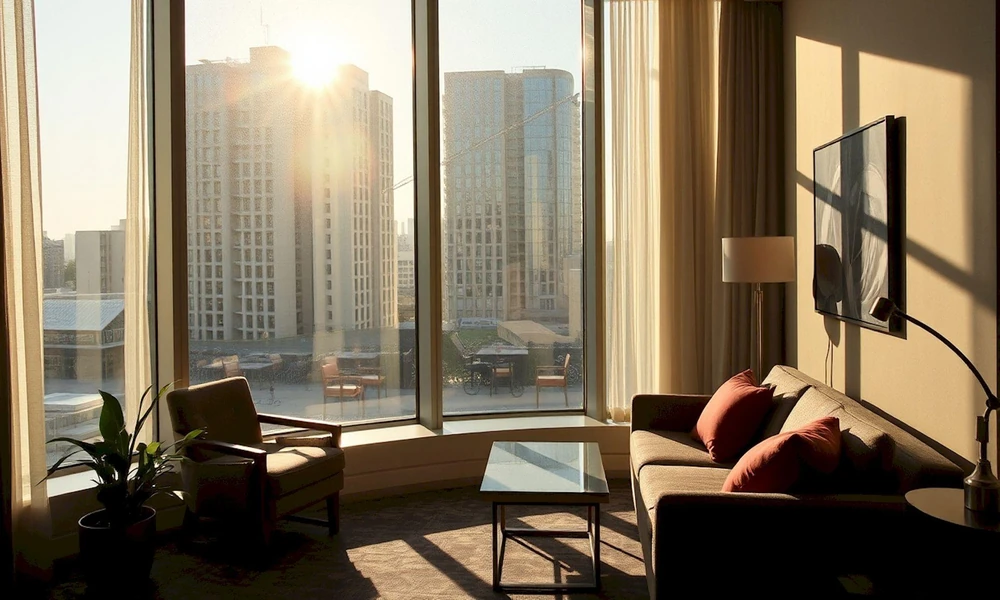
[Image Suggestion: A bright, modern high-rise apartment interior featuring a minimalist window setup with soft, natural light filtering through, focusing on texture and clean lines.]
Living in a high-rise HDB flat offers unparalleled views, but it often comes with the dual challenge of managing intense sunlight and maintaining personal privacy. Achieving the right balance between these elements, while ensuring consistent airflow, is crucial for comfort. This guide explores how to select the ideal window treatments to transform your living space into a serene sanctuary.
The Balancing Act: Understanding Your Needs
When selecting HDB window blinds, the primary consideration should be the orientation of your home. West-facing units often contend with harsh afternoon glare, necessitating materials that offer robust thermal insulation. Conversely, north- or south-facing homes might prioritise privacy without sacrificing natural light.
It is also important to consider the role of airflow. In Singapore’s tropical climate, restricted ventilation can quickly make a room feel stuffy. Choosing treatments that allow for adjustable louvre positioning or permeable materials is key.
Why Texture and Material Matter
The material you choose dictates the longevity and functionality of your window treatments. While synthetic materials are durable and easy to clean, natural textures can soften the aesthetic of a modern apartment. Bamboo blinds in Singapore, for instance, have become a popular choice not just for their aesthetic appeal, but for their ability to allow air to pass through freely while still diffusing light. They bring an organic touch to urban living spaces, creating a resort-like atmosphere within the home.
The Strategic Choice: Selecting the Right Blinds
| Window Concern | Recommended Treatment | Key Benefit |
|---|---|---|
| Heat & Glare | Blackout Roller Blinds | Maximum thermal control |
| Privacy | Day & Night Blinds | Versatile light filtering |
| Ventilation | Bamboo or Timber Blinds | Natural airflow circulation |
Aligning Blinds with Interior Flow
In high-rise apartments, the tendency is to prioritise utility, yet missing the opportunity to integrate your HDB window blinds into your broader design language is a common oversight. Whether you favour the minimalist clarity of Scandinavian design or the tactile richness of industrial aesthetics, your blinds should act as a bridge between form and function. Soft fabric blinds can temper the sharp edges of modern furniture, while deeper, earth-toned bamboo blinds in Singapore can anchor a neutral space, providing an organic counterpoint to the prevalence of glass and concrete in apartment living.
Think of your blinds as a soft architectural element; they dictate how the light interacts with your surfaces, essentially painting your room with shifting patterns of shadows and highlights throughout the day.
Mastering Your Micro-Climate: Advanced Management
High-rise living creates a unique micro-climate that is often distinct from ground-level residences. You are frequently exposed to higher wind speeds and intense, unfiltered solar gain. Beyond simply closing the blinds, consider a more strategic approach to climate management. For west-facing windows that bear the brunt of the harsh afternoon sun, layered treatments-such as combining sheer fabrics with a more substantial blind-can create an effective air buffer.
This buffer zone traps radiant heat before it permeates your living space, significantly reducing your reliance on air conditioning. Furthermore, understanding the interplay between ventilation and blind placement is crucial; tilting your louvres upwards can deflect incoming heat while still allowing the breeze to circulate, ensuring your home remains a breathable sanctuary rather than a greenhouse.
Quick Tips for High-Rise Living
- Prioritise light-filtering fabrics if you want to keep your space bright during the day without compromising privacy.
- Consider motorisation for hard-to-reach windows in high-rise units, enhancing convenience.
- Always measure your window recess accurately; a flush fit significantly improves the insulation of the blind.
- Opt for moisture-resistant materials for windows near service yards or kitchens.
Common Questions
How do I clean bamboo blinds in Singapore?
Regular dusting with a soft cloth or a vacuum brush attachment is usually sufficient. Avoid using excessive water, as moisture can damage the natural fibres.
Are HDB window blinds suitable for all room types?
Absolutely, provided you choose the right material. Use moisture-resistant blinds for wet areas and blackout options for bedrooms.
How do I choose between blackout and light-filtering HDB window blinds?
Choose blackout blinds if you require total darkness for sleeping or privacy, whereas light-filtering options are ideal for living areas where you want to enjoy natural light without the glare.
Can custom-made blinds fit non-standard HDB window sizes?
Yes, custom-made solutions are specifically designed to fit your unique window dimensions perfectly, ensuring complete coverage and a seamless aesthetic finish.
Selecting the right window treatments is about more than just aesthetics; it is about creating an environment that responds to your daily needs. By carefully considering light, privacy, and airflow, you can create a home that is as comfortable as it is stylish.
Need professional advice to tailor the perfect window solutions for your home? Connect with our design experts today.
Contact De Art Curtain for bespoke interior solutions that elevate your living space.